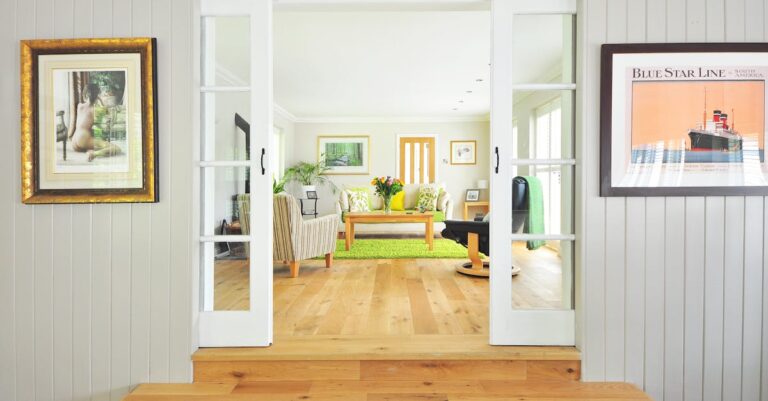
In a world bursting with clutter and chaos, the minimalist living room stands as a serene oasis. Picture this: a space where simplicity reigns, and every piece of furniture has a purpose. It’s not just about having less; it’s about making room for more—more peace, more creativity, and yes, even more Netflix binges without the distraction of a mountain of throw pillows.
Table of Contents
ToggleUnderstanding Living Room Minimalist Interior Design
Living room minimalist interior design emphasizes clean lines and uncluttered spaces. It creates a serene environment that enhances relaxation and enjoyment.
Key Principles of Minimalism
Simplicity defines the essence of minimalism. The focus lies on fewer decor items, allowing each piece to stand out and serve a purpose. Balance plays a crucial role in selecting furniture and colors to ensure harmony within the space. Neutral color palettes often dominate, evoking a sense of calm. Natural light enhances the feeling of spaciousness, inviting openness and tranquility.
The Importance of Functionality
Functionality drives the selection of furniture in minimalist living rooms. Pieces serve specific needs without excess. Multi-functional furniture maximizes space utilization, such as a coffee table that also offers storage. Each item should contribute to the overall purpose while maintaining aesthetic appeal. Prioritizing versatile arrangements encourages easy movement and a welcoming atmosphere.
Essential Elements of Minimalist Design
Minimalist design incorporates various elements that create a calm and intentional living room space. Focused choices in color, texture, and furniture enhance functionality while promoting tranquility.
Color Palette and Textures
Neutral colors dominate minimalist design, fostering a serene atmosphere. Soft whites, beiges, and grays provide a clean backdrop that enhances natural light. Textures add depth without overwhelming the senses. Incorporating materials like wool and linen creates warmth, while smooth finishes on surfaces maintain simplicity. Choosing a limited color palette unifies the room, allowing each element to stand out without distraction. Subtle variations in hue and texture contribute to visual interest while adhering to minimalist principles.
Furniture Selection and Placement
Furniture selection involves prioritizing functionality and simplicity. Opt for multi-functional pieces that serve various purposes, such as a coffee table that doubles as storage. Arranging furniture promotes openness and ease of movement. Position seating to encourage conversation while maintaining ample space for flow. Choosing a few key pieces instead of multiple items keeps the focus on quality. Minimalist designs often emphasize clean lines and geometric shapes, aligning with the overall aesthetic. Prioritizing strategic placement ensures the room maintains an uncluttered look while providing comfort.
Creating a Minimalist Living Room
A minimalist living room promotes calm through thoughtful design choices. To achieve this aesthetic, several key strategies enhance both functionality and tranquility.
Tips for Decluttering
Start by reassessing belongings and identifying items that no longer serve a purpose. Consider storage options that blend seamlessly with the room’s aesthetic, such as decorative baskets or sleek cabinets. Choose a few meaningful decor pieces that reflect personal style while maintaining simplicity. Regularly evaluate belongings to prevent clutter from accumulating. Prioritize quality over quantity to ensure every item contributes positively to the atmosphere.
Incorporating Natural Light
Maximizing natural light enhances the minimalist ambiance. Use sheer curtains or blinds that allow sunlight to filter through while maintaining privacy. Arrange furniture to avoid blocking windows, encouraging an open flow. Mirrors can reflect light, making the space feel larger and brighter. Paint walls in light, neutral colors to amplify the effect of natural light. Embrace larger windows or skylights if feasible, creating a direct connection to the outdoors.
Benefits of Minimalist Living Room Design
Minimalist living room design offers several advantages that enhance daily life. The simplicity and intentionality of this approach create an environment that fosters well-being.
Enhancing Space and Comfort
Open layouts promote freedom of movement. Spacious arrangements eliminate clutter, leading to visual and physical comfort. Multi-functional furniture adapts to the user’s needs, easily transforming the space for activities like entertaining or lounging. Neutral colors and natural light amplify this sense of openness, making the room feel larger and more inviting. Essential pieces take center stage, allowing for easy navigation and a tranquil atmosphere that combines both style and ease.
Promoting Mindfulness and Relaxation
Mindful living thrives in a minimalist design. Fewer distractions encourage focus, making it easier to unwind. Soft textures and calming colors invite relaxation, while thoughtfully placed decor fosters serenity. This environment supports creative activities or quiet moments, enhancing overall well-being. Regular reassessment of belongings further encourages a peaceful mindset, cultivating an intentional and serene atmosphere in everyday life.
Embracing a minimalist living room design can transform any space into a sanctuary of peace and creativity. By prioritizing simplicity and functionality, individuals can create an environment that not only looks appealing but also enhances their overall well-being.
The strategic use of neutral colors and natural light fosters a sense of openness while multi-functional furniture maximizes space and adaptability. Regularly reassessing belongings ensures that the living room remains uncluttered and intentional.
Ultimately, a minimalist approach encourages mindfulness and relaxation, making it easier to enjoy life’s simple pleasures in a serene setting.